From Pencil to Prompt
Making AI our everyday language

Jeff Gomez
Content Design Manager
10 August 2026

Tech is my second career. Long before my time at Uber, TikTok, or Meta, I was in New York City working in traditional publishing, just as the internet was beginning to transform how people discovered new authors.
To lead this shift, "Online Marketing" departments began sprouting up across major publishers. At my first company, our team was exactly three people: me and two interns. We operated out of a cramped nook in the Flatiron Building that had previously housed photocopiers.
Despite being a ragtag crew, we saw results. Titles from my company started appearing on influential blogs and the nascent social media platforms of the time. Authors were happy, editors were thrilled.
There was just one catch: my company already had a marketing department. While my team was placing ads on blogs and securing digital interviews, the "traditional" department was doing the exact same thing for print and TV.
For years, these two teams operated in silos despite sharing identical goals. It wasn't until the late 2000s that the distinction finally dissolved. If your brand wasn't online, it didn't exist. Eventually, the modifier vanished: "Online Marketing" simply became "Marketing."
I thought of this recently during a day-long design event at Uber. As teams showcased their latest work, a familiar pattern emerged. Just as publishing once separated "marketing" from "online marketing," presenters here were distinguishing their "work" from their "work done with AI."
By the seventh or eighth presentation, mentions of agents and LLMs had become so routine that one speaker joked, "We used AI on this project… maybe you've heard of it?" By the final presentation, the head of one team declared AI references "over" and skipped the mention entirely.
This shift signals to me that we're currently in that same awkward dichotomy. We still view projects as "Standard" vs. "AI-powered." But AI shouldn't be an adjunct or an addendum; it is a tool, much like Dreamweaver or Flash were twenty years ago.
The more we fixate on the tool, the less we focus on what actually matters: the craft, the problem-solving, and the people who use our products. AI is becoming part of how we work—and like "online" before it, the modifier will eventually fade.
We're reaching a point where AI is no longer a "foreign tongue" reserved for special occasions, but the language we speak every day. It's becoming the default; the way we once reached for a pencil, we now reach for a prompt. We aren't quite at the "silent default" stage yet, but we're getting closer every day.
More of our work

Inspire what’s next
How design can shape the roadmap before it's written
View work


Base MCP
Teaching AI agents to speak the Base Design System
View work

Design Specs, Reimagined
How Uber Built an Agentic System to Automate Design Specs in Minutes
View work
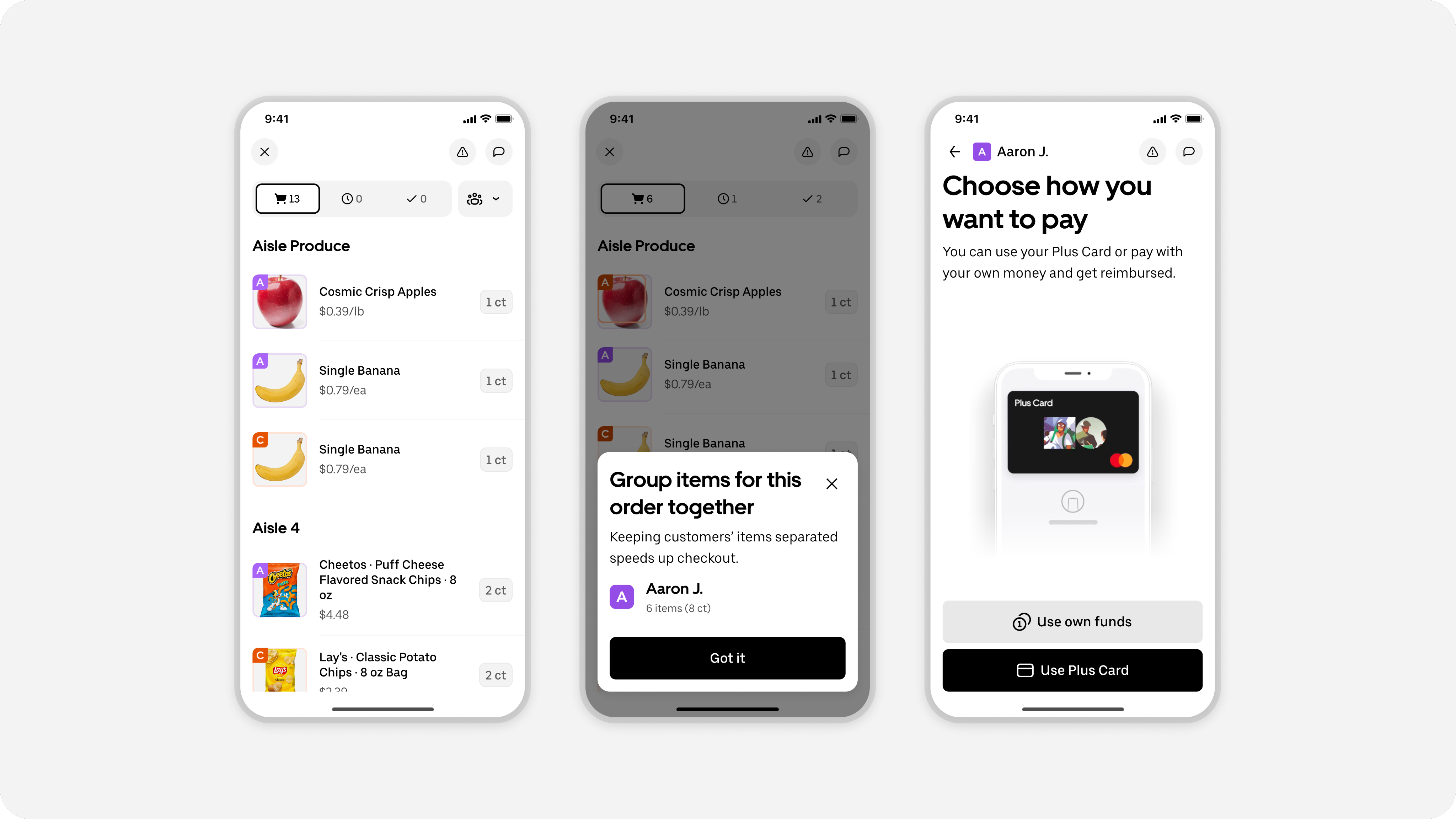
Designing batched shopping orders
Redesigning shopping trips to enable a batched experience for earners
View work
When to evolve a design system
Rebuilding Uber’s icon language
View work
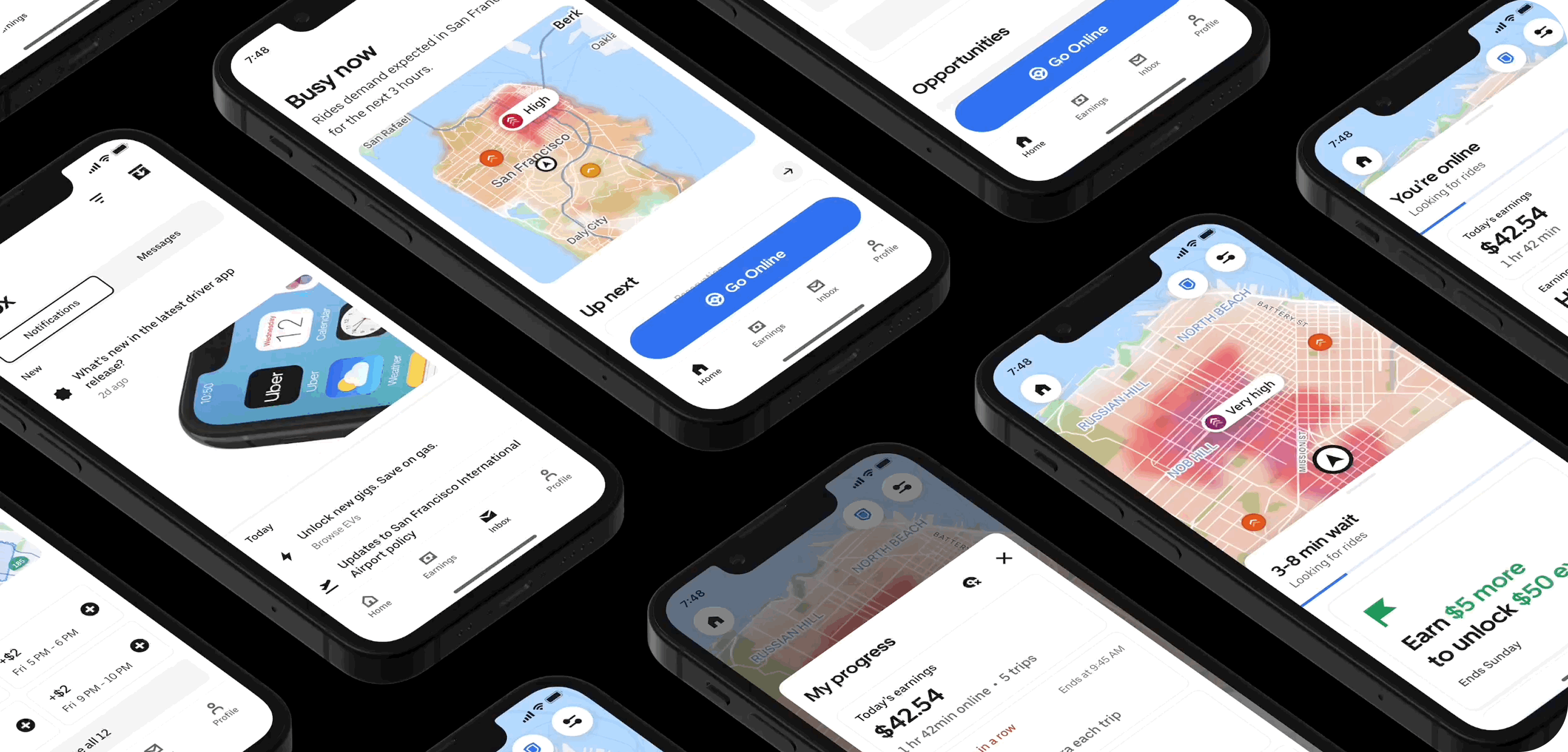
Reimagining the driver experience
How a design-led initiative brought focus, clarity, and confidence back to the Driver app
View work
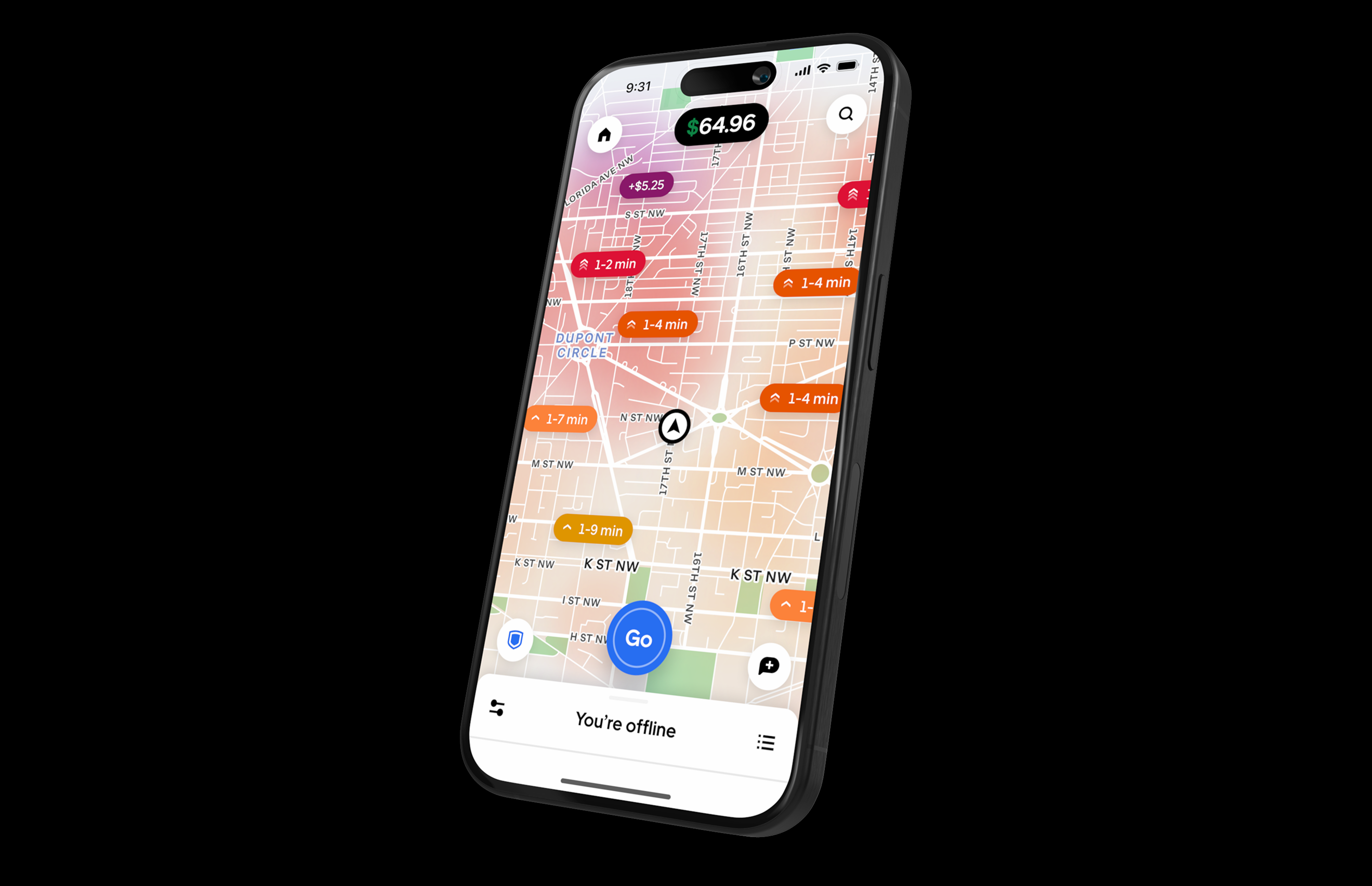
Elevating the earner experience
A new visual language for our heatmap
View work
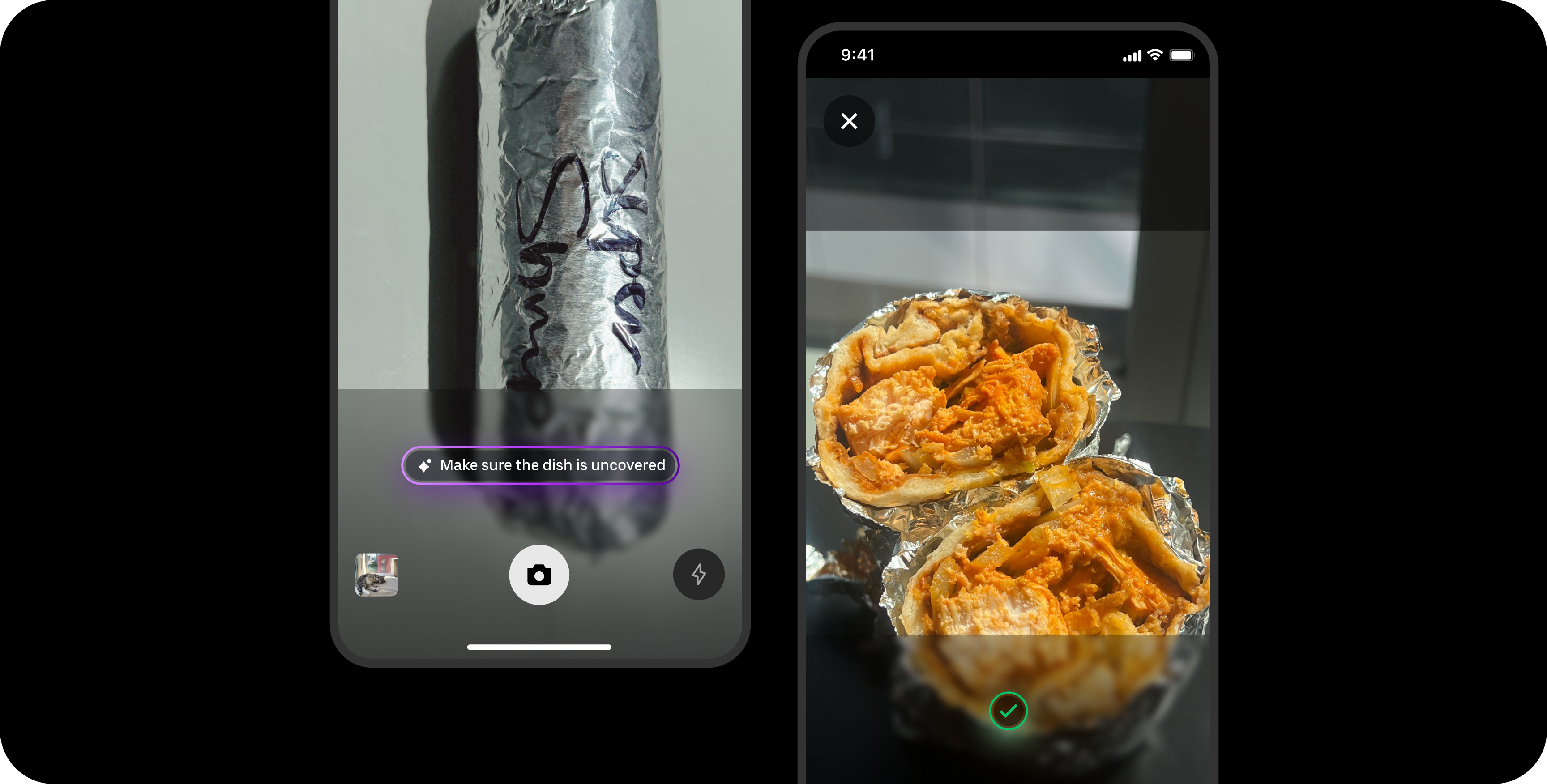
Designing for smart food photography
Real-time feedback that brings clarity, confidence, and quality to user photos
View work
Uber Design
2026 © Uber Technologies Inc.


From Pencil to Prompt
Making AI our everyday language
Jeff Gomez
Content Design Manager
10 August 2026
Tech is my second career. Long before my time at Uber, TikTok, or Meta, I was in New York City working in traditional publishing, just as the internet was beginning to transform how people discovered new authors.
To lead this shift, "Online Marketing" departments began sprouting up across major publishers. At my first company, our team was exactly three people: me and two interns. We operated out of a cramped nook in the Flatiron Building that had previously housed photocopiers.
Despite being a ragtag crew, we saw results. Titles from my company started appearing on influential blogs and the nascent social media platforms of the time. Authors were happy, editors were thrilled.
There was just one catch: my company already had a marketing department. While my team was placing ads on blogs and securing digital interviews, the "traditional" department was doing the exact same thing for print and TV.
For years, these two teams operated in silos despite sharing identical goals. It wasn't until the late 2000s that the distinction finally dissolved. If your brand wasn't online, it didn't exist. Eventually, the modifier vanished: "Online Marketing" simply became "Marketing."
I thought of this recently during a day-long design event at Uber. As teams showcased their latest work, a familiar pattern emerged. Just as publishing once separated "marketing" from "online marketing," presenters here were distinguishing their "work" from their "work done with AI."
By the seventh or eighth presentation, mentions of agents and LLMs had become so routine that one speaker joked, "We used AI on this project… maybe you've heard of it?" By the final presentation, the head of one team declared AI references "over" and skipped the mention entirely.
This shift signals to me that we're currently in that same awkward dichotomy. We still view projects as "Standard" vs. "AI-powered." But AI shouldn't be an adjunct or an addendum; it is a tool, much like Dreamweaver or Flash were twenty years ago.
The more we fixate on the tool, the less we focus on what actually matters: the craft, the problem-solving, and the people who use our products. AI is becoming part of how we work—and like "online" before it, the modifier will eventually fade.
We're reaching a point where AI is no longer a "foreign tongue" reserved for special occasions, but the language we speak every day. It's becoming the default; the way we once reached for a pencil, we now reach for a prompt. We aren't quite at the "silent default" stage yet, but we're getting closer every day.
More of our work
Inspire what’s next
How design can shape the roadmap before it's written
View work
Base MCP
Teaching AI agents to speak the Base Design System
View work
Design Specs, Reimagined
How Uber Built an Agentic System to Automate Design Specs in Minutes
View work
Designing batched shopping orders
Redesigning shopping trips to enable a batched experience for earners
View work
When to evolve a design system
Rebuilding Uber’s icon language
View work
Reimagining the driver experience
How a design-led initiative brought focus, clarity, and confidence back to the Driver app
View work
Elevating the earner experience
A new visual language for our heatmap
View work
Designing for smart food photography
Real-time feedback that brings clarity, confidence, and quality to user photos
View work
Uber Design
2026 © Uber Technologies Inc.
From Pencil to Prompt
Making AI our everyday language
Jeff Gomez
Content Design Manager
10 August 2026
Tech is my second career. Long before my time at Uber, TikTok, or Meta, I was in New York City working in traditional publishing, just as the internet was beginning to transform how people discovered new authors.
To lead this shift, "Online Marketing" departments began sprouting up across major publishers. At my first company, our team was exactly three people: me and two interns. We operated out of a cramped nook in the Flatiron Building that had previously housed photocopiers.
Despite being a ragtag crew, we saw results. Titles from my company started appearing on influential blogs and the nascent social media platforms of the time. Authors were happy, editors were thrilled.
There was just one catch: my company already had a marketing department. While my team was placing ads on blogs and securing digital interviews, the "traditional" department was doing the exact same thing for print and TV.
For years, these two teams operated in silos despite sharing identical goals. It wasn't until the late 2000s that the distinction finally dissolved. If your brand wasn't online, it didn't exist. Eventually, the modifier vanished: "Online Marketing" simply became "Marketing."
I thought of this recently during a day-long design event at Uber. As teams showcased their latest work, a familiar pattern emerged. Just as publishing once separated "marketing" from "online marketing," presenters here were distinguishing their "work" from their "work done with AI."
By the seventh or eighth presentation, mentions of agents and LLMs had become so routine that one speaker joked, "We used AI on this project… maybe you've heard of it?" By the final presentation, the head of one team declared AI references "over" and skipped the mention entirely.
This shift signals to me that we're currently in that same awkward dichotomy. We still view projects as "Standard" vs. "AI-powered." But AI shouldn't be an adjunct or an addendum; it is a tool, much like Dreamweaver or Flash were twenty years ago.
The more we fixate on the tool, the less we focus on what actually matters: the craft, the problem-solving, and the people who use our products. AI is becoming part of how we work—and like "online" before it, the modifier will eventually fade.
We're reaching a point where AI is no longer a "foreign tongue" reserved for special occasions, but the language we speak every day. It's becoming the default; the way we once reached for a pencil, we now reach for a prompt. We aren't quite at the "silent default" stage yet, but we're getting closer every day.
More of our work
Inspire what’s next
How design can shape the roadmap before it's written
View work
Base MCP
Teaching AI agents to speak the Base Design System
View work
Design Specs, Reimagined
How Uber Built an Agentic System to Automate Design Specs in Minutes
View work
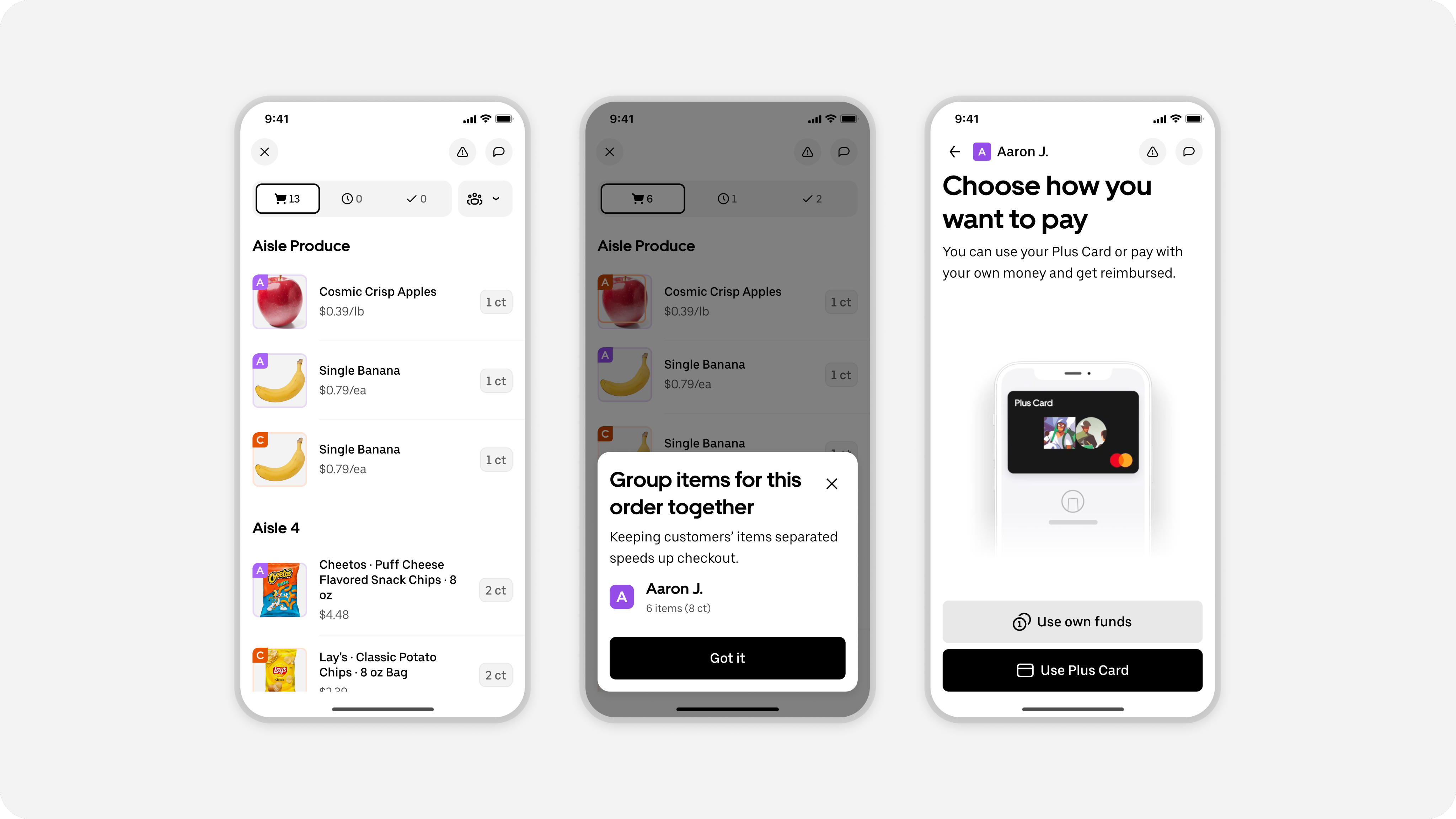
Designing batched shopping orders
Redesigning shopping trips to enable a batched experience for earners
View work
When to evolve a design system
Rebuilding Uber’s icon language
View work
Reimagining the driver experience
How a design-led initiative brought focus, clarity, and confidence back to the Driver app
View work
Elevating the earner experience
A new visual language for our heatmap
View work
Designing for smart food photography
Real-time feedback that brings clarity, confidence, and quality to user photos
View work
Uber Design
2026 © Uber Technologies Inc.
From Pencil to Prompt
Making AI our everyday language
Jeff Gomez
Content Design Manager
10 August 2026
Tech is my second career. Long before my time at Uber, TikTok, or Meta, I was in New York City working in traditional publishing, just as the internet was beginning to transform how people discovered new authors.
To lead this shift, "Online Marketing" departments began sprouting up across major publishers. At my first company, our team was exactly three people: me and two interns. We operated out of a cramped nook in the Flatiron Building that had previously housed photocopiers.
Despite being a ragtag crew, we saw results. Titles from my company started appearing on influential blogs and the nascent social media platforms of the time. Authors were happy, editors were thrilled.
There was just one catch: my company already had a marketing department. While my team was placing ads on blogs and securing digital interviews, the "traditional" department was doing the exact same thing for print and TV.
For years, these two teams operated in silos despite sharing identical goals. It wasn't until the late 2000s that the distinction finally dissolved. If your brand wasn't online, it didn't exist. Eventually, the modifier vanished: "Online Marketing" simply became "Marketing."
I thought of this recently during a day-long design event at Uber. As teams showcased their latest work, a familiar pattern emerged. Just as publishing once separated "marketing" from "online marketing," presenters here were distinguishing their "work" from their "work done with AI."
By the seventh or eighth presentation, mentions of agents and LLMs had become so routine that one speaker joked, "We used AI on this project… maybe you've heard of it?" By the final presentation, the head of one team declared AI references "over" and skipped the mention entirely.
This shift signals to me that we're currently in that same awkward dichotomy. We still view projects as "Standard" vs. "AI-powered." But AI shouldn't be an adjunct or an addendum; it is a tool, much like Dreamweaver or Flash were twenty years ago.
The more we fixate on the tool, the less we focus on what actually matters: the craft, the problem-solving, and the people who use our products. AI is becoming part of how we work—and like "online" before it, the modifier will eventually fade.
We're reaching a point where AI is no longer a "foreign tongue" reserved for special occasions, but the language we speak every day. It's becoming the default; the way we once reached for a pencil, we now reach for a prompt. We aren't quite at the "silent default" stage yet, but we're getting closer every day.
More of our work
Inspire what’s next
How design can shape the roadmap before it's written
View work
Base MCP
Teaching AI agents to speak the Base Design System
View work
Design Specs, Reimagined
How Uber Built an Agentic System to Automate Design Specs in Minutes
View work
Designing batched shopping orders
Redesigning shopping trips to enable a batched experience for earners
View work
When to evolve a design system
Rebuilding Uber’s icon language
View work
Reimagining the driver experience
How a design-led initiative brought focus, clarity, and confidence back to the Driver app
View work
Elevating the earner experience
A new visual language for our heatmap
View work
Designing for smart food photography
Real-time feedback that brings clarity, confidence, and quality to user photos
View work
Uber Design
2026 © Uber Technologies Inc.