Inspire what’s next
How design can shape the roadmap before it's written

Selçuk Saydam
Group Product Design Manager
September 2026
Design has two jobs. One is executing the roadmap. The other is inspiring what's possible next.
The most inspiring product experiences rarely start from a PRD. They start with someone who could picture them before anyone asked. That's us.
So you had a great idea. You designed and prototyped it, shared it with your team. Everyone seemed excited in the meeting. You followed up twice, and the second time you had to remind people what it was. It never made the roadmap. What happened?

Source: Unsplashed
Our ideas weren't being rejected. They were arriving after the roadmap was already full.
Influence isn't a byproduct of good work. It's a deliberate attempt to change a group of decision makers' beliefs and plans.
Recently, our design team met to work on our longer-term vision and how to get into the roadmap conversation earlier. We went back through some of our most successful attempts.
- We ran a design sprint on Uber Eats offers, put 11 ideas on the table, and 8 made the roadmap.
- We prototyped a range of rider ad experiences, and that shifted the strategy and got new workstreams funded.
- We spent a series of sprints on our advertising platform, shaping it from strategy down to the craft.
I hope the learnings below better equip other design teams heading into their next planning round.
The Stretch
What the team needs
What design should do
The Roadmap is underway
Ship what we committed to
Execute well and elevate the quality. Earn Trust.
Before planning starts
Identify opportunities
Go deep into the problem space and explore what’s possible.
Planning is happening
Decisions
Bring recommendations in pieces. Facilitate the discussion.
Get the timing right
Every team plans their roadmap on a loop. Commitments get made, the team builds against them, and then the next set of commitments gets made. The team needs something different from design in each stretch.
The window opens regularly. An idea that arrives at the right time can shape the narrative and become part of the roadmap without resistance. The same idea a month later is a nice deck. Each cycle has moments that favor influence over execution.
Find out when planning starts for your team, then work backwards. Land your exploration in the weeks just before it, while the roadmap can still change.

Source: Unsplashed
Make it easy to say yes to
An open window on its own doesn't get you anything. Once your pitch is grounded in a real problem, carrying a story someone could repeat gives it the best chance. None of this works if you're the only one who believes it.
Have a well-informed opinion. Understand your problem space and team's purpose. Know what worked, what failed, and why. Define the problem with deep foundational research. Form a grounded, bold opinion.
Make your team see what you see. Show what's possible in working prototypes. Bring evidence. Create a compelling story that resonates and spreads.
Listen harder than you pitch. Facilitate the vision, don't defend it. Bring research and your cross-functional partners into the discussion and evolve the proposal together. Julie Zhuo's test: you'll know you're on the right track when your team starts repeating it back.
Ship it in pieces. What matters is what ships. Break the shared vision into pieces small enough to enter a cycle. Architect the order so the first one earns the next.
Inspiring what's next means changing what people believe is possible. Nobody writes a requirement for something they can't picture yet. Find out when your team plans next, and shape the roadmap before it's written.

Base MCP
Teaching AI agents to speak the Base Design System
View work


From Pencil to Prompt
Making AI our everyday language
View work
Design Specs, Reimagined
How Uber Built an Agentic System to Automate Design Specs in Minutes
View work
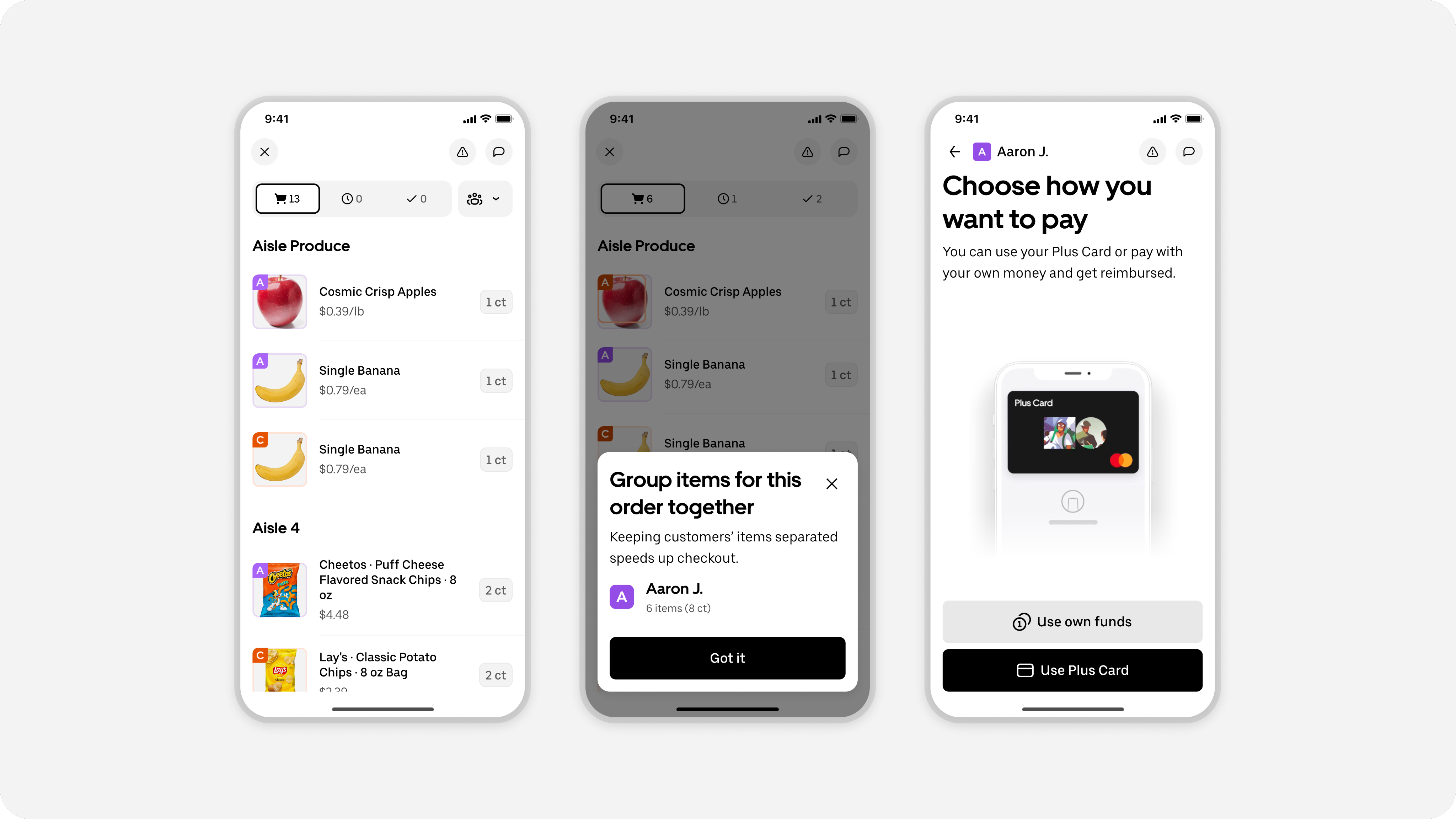
Designing batched shopping orders
Redesigning shopping trips to enable a batched experience for earners
View work
When to evolve a design system
Rebuilding Uber’s icon language
View work
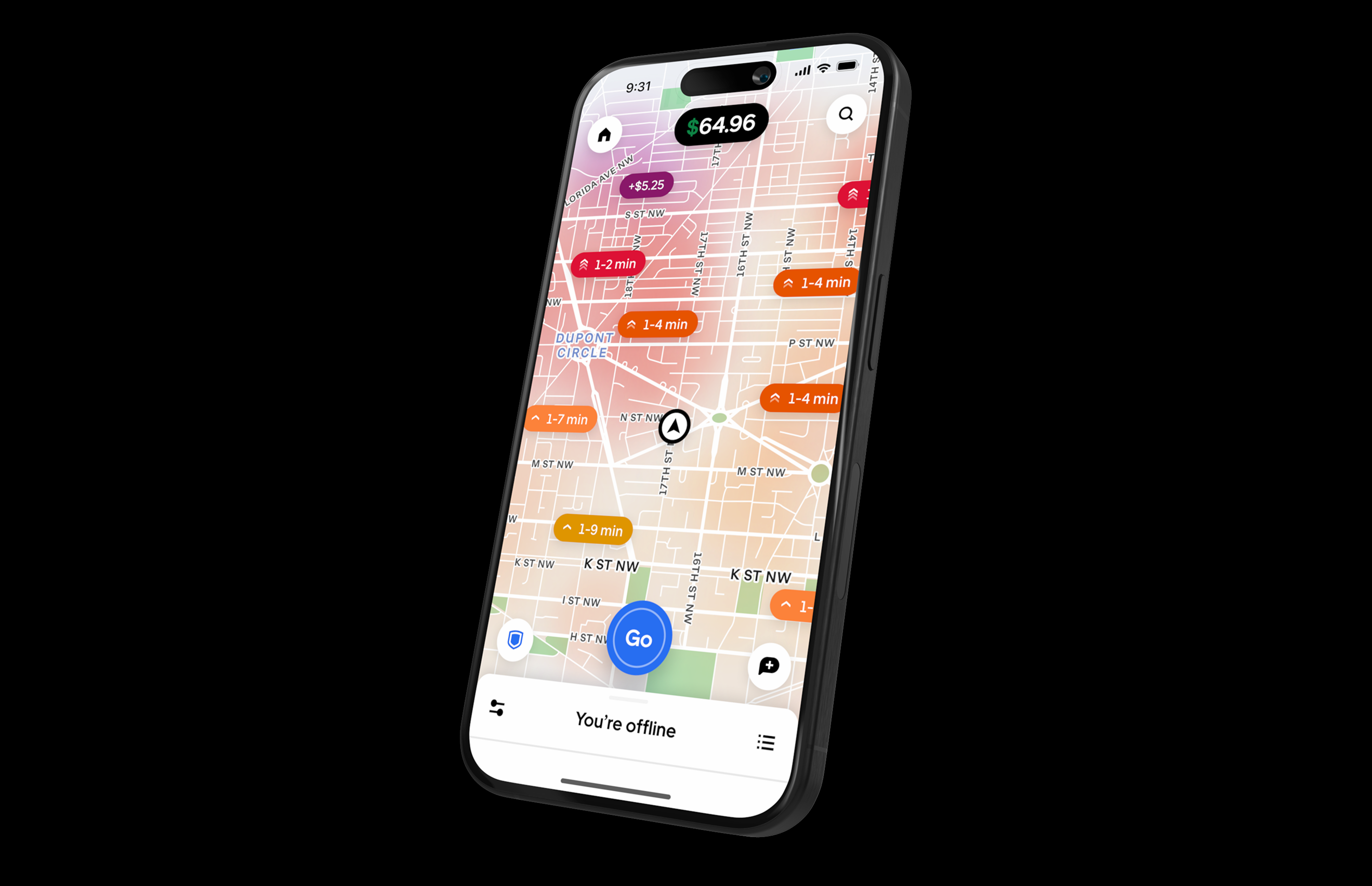
Elevating the earner experience
A new visual language for our heatmap
View work
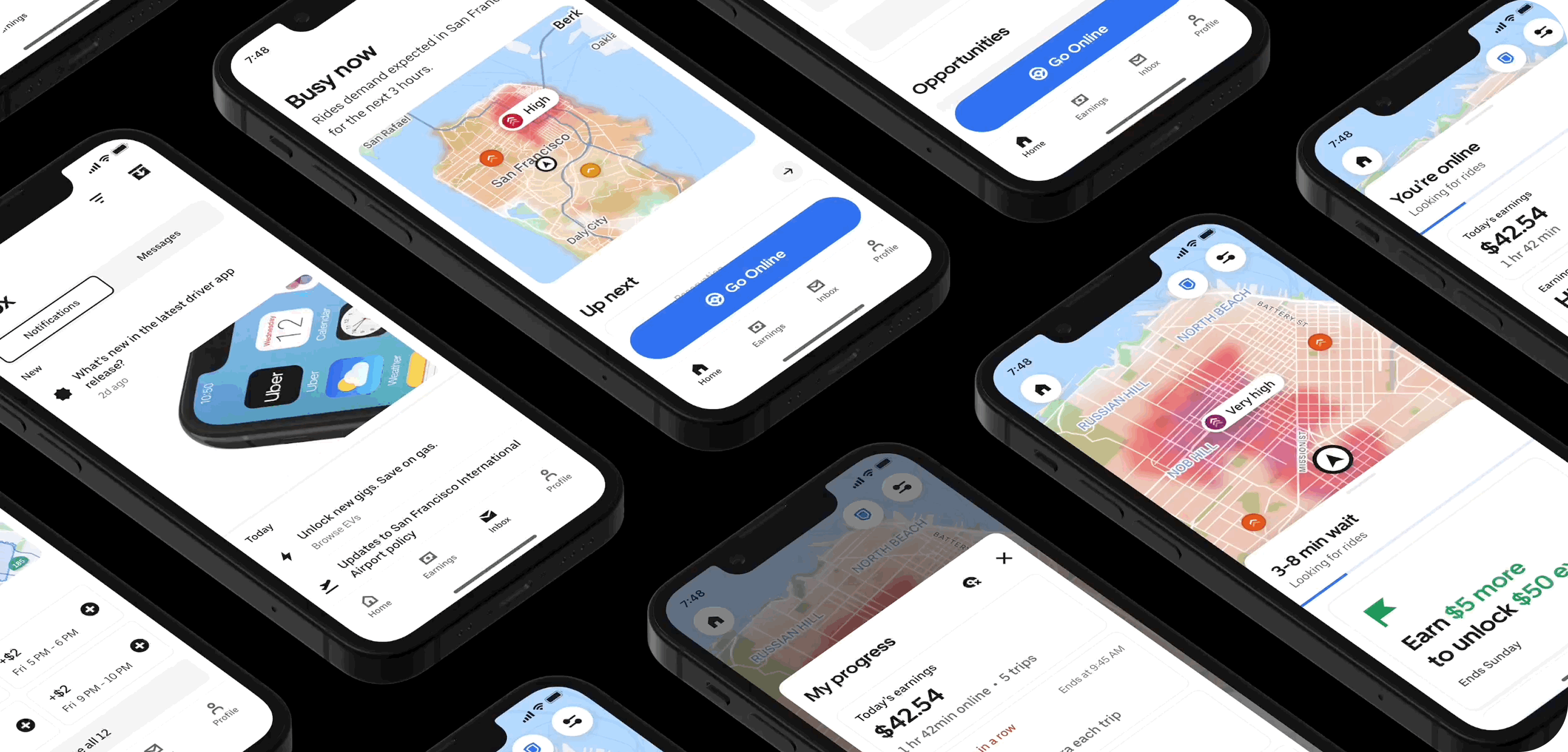
Reimagining the driver experience
How a design-led initiative brought focus, clarity, and confidence back to the Driver app
View work
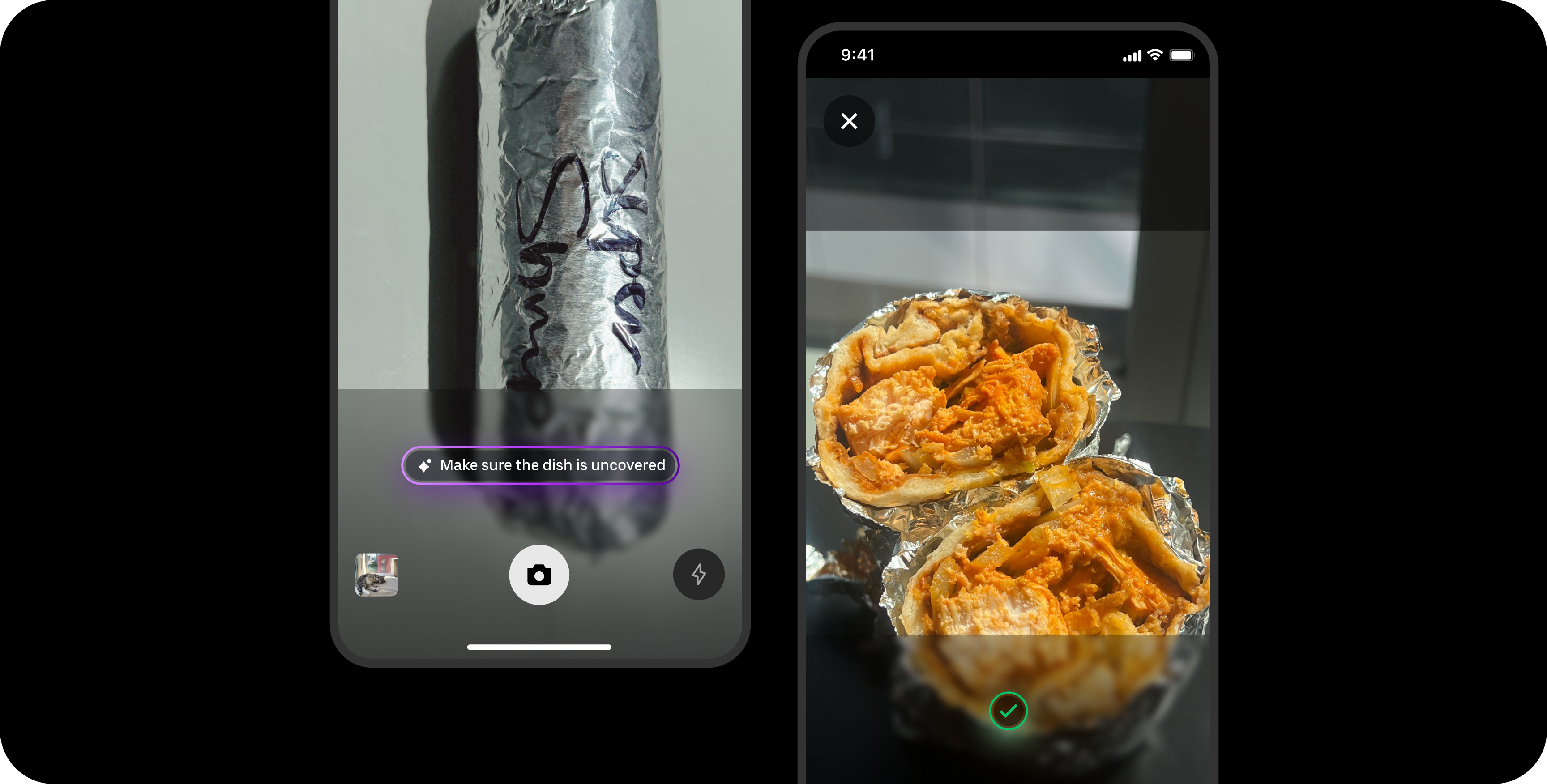
Designing for smart food photography
Real-time feedback that brings clarity, confidence, and quality to user photos
View work
Uber Design
2026 © Uber Technologies Inc.


Inspire what’s next
How design can shape the roadmap before it's written
Selçuk Saydam
Group Product Design Manager
September 2026
Design has two jobs. One is executing the roadmap. The other is inspiring what's possible next.
The most inspiring product experiences rarely start from a PRD. They start with someone who could picture them before anyone asked. That's us.
So you had a great idea. You designed and prototyped it, shared it with your team. Everyone seemed excited in the meeting. You followed up twice, and the second time you had to remind people what it was. It never made the roadmap. What happened?
Source: Unsplashed
Our ideas weren't being rejected. They were arriving after the roadmap was already full.
Influence isn't a byproduct of good work. It's a deliberate attempt to change a group of decision makers' beliefs and plans.
Recently, our design team met to work on our longer-term vision and how to get into the roadmap conversation earlier. We went back through some of our most successful attempts.
- We ran a design sprint on Uber Eats offers, put 11 ideas on the table, and 8 made the roadmap.
- We prototyped a range of rider ad experiences, and that shifted the strategy and got new workstreams funded.
- We spent a series of sprints on our advertising platform, shaping it from strategy down to the craft.
I hope the learnings below better equip other design teams heading into their next planning round.
Get the timing right
Every team plans their roadmap on a loop. Commitments get made, the team builds against them, and then the next set of commitments gets made. The team needs something different from design in each stretch.
The Stretch
What the team needs
What design should do
The roadmap is underway
Ship what we committed to
Execute well and elevate the quality. Earn trust.
Before planning starts
Identify opportunities
Go deep into the problem space and explore what's possible.
Planning is happening
Decisions
Bring recommendations in pieces. Facilitate the discussion.
The window opens regularly. An idea that arrives at the right time can shape the narrative and become part of the roadmap without resistance. The same idea a month later is a nice deck. Each cycle has moments that favor influence over execution.
Find out when planning starts for your team, then work backwards. Land your exploration in the weeks just before it, while the roadmap can still change.
Source: Unsplashed
Make it easy to say yes to
An open window on its own doesn't get you anything. Once your pitch is grounded in a real problem, carrying a story someone could repeat gives it the best chance. None of this works if you're the only one who believes it.
Have a well-informed opinion. Understand your problem space and team's purpose. Know what worked, what failed, and why. Define the problem with deep foundational research. Form a grounded, bold opinion.
Make your team see what you see. Show what's possible in working prototypes. Bring evidence. Create a compelling story that resonates and spreads.
Listen harder than you pitch. Facilitate the vision, don't defend it. Bring research and your cross-functional partners into the discussion and evolve the proposal together. Julie Zhuo's test: you'll know you're on the right track when your team starts repeating it back.
Ship it in pieces. What matters is what ships. Break the shared vision into pieces small enough to enter a cycle. Architect the order so the first one earns the next.
Inspiring what's next means changing what people believe is possible. Nobody writes a requirement for something they can't picture yet. Find out when your team plans next, and shape the roadmap before it's written.
Base MCP
Teaching AI agents to speak the Base Design System
View work
From Pencil to Prompt
Making AI our everyday language
View work
Design Specs, Reimagined
How Uber Built an Agentic System to Automate Design Specs in Minutes
View work
Designing batched shopping orders
Redesigning shopping trips to enable a batched experience for earners
View work
When to evolve a design system
Rebuilding Uber’s icon language
View work
Elevating the earner experience
A new visual language for our heatmap
View work
Reimagining the driver experience
How a design-led initiative brought focus, clarity, and confidence back to the Driver app
View work
Designing for smart food photography
Real-time feedback that brings clarity, confidence, and quality to user photos
View work
Uber Design
2026 © Uber Technologies Inc.
Inspire what’s next
How design can shape the roadmap before it's written
Selçuk Saydam
Group Product Design Manager
September 2026
Design has two jobs. One is executing the roadmap. The other is inspiring what's possible next.
The most inspiring product experiences rarely start from a PRD. They start with someone who could picture them before anyone asked. That's us.
So you had a great idea. You designed and prototyped it, shared it with your team. Everyone seemed excited in the meeting. You followed up twice, and the second time you had to remind people what it was. It never made the roadmap. What happened?
Source: Unsplashed
Our ideas weren't being rejected. They were arriving after the roadmap was already full.
Influence isn't a byproduct of good work. It's a deliberate attempt to change a group of decision makers' beliefs and plans.
Recently, our design team met to work on our longer-term vision and how to get into the roadmap conversation earlier. We went back through some of our most successful attempts.
- We ran a design sprint on Uber Eats offers, put 11 ideas on the table, and 8 made the roadmap.
- We prototyped a range of rider ad experiences, and that shifted the strategy and got new workstreams funded.
- We spent a series of sprints on our advertising platform, shaping it from strategy down to the craft.
I hope the learnings below better equip other design teams heading into their next planning round.
Get the timing right
Every team plans their roadmap on a loop. Commitments get made, the team builds against them, and then the next set of commitments gets made. The team needs something different from design in each stretch.
The Stretch
What the team needs
What design should do
The roadmap is underway
Ship what we committed to
Execute well and elevate the quality. Earn trust.
Before planning starts
Identify opportunities
Go deep into the problem space and explore what's possible.
Planning is happening
Decisions
Bring recommendations in pieces. Facilitate the discussion.
The window opens regularly. An idea that arrives at the right time can shape the narrative and become part of the roadmap without resistance. The same idea a month later is a nice deck. Each cycle has moments that favor influence over execution.
Find out when planning starts for your team, then work backwards. Land your exploration in the weeks just before it, while the roadmap can still change.
Source: Unsplashed
Make it easy to say yes to
An open window on its own doesn't get you anything. Once your pitch is grounded in a real problem, carrying a story someone could repeat gives it the best chance. None of this works if you're the only one who believes it.
Have a well-informed opinion. Understand your problem space and team's purpose. Know what worked, what failed, and why. Define the problem with deep foundational research. Form a grounded, bold opinion.
Make your team see what you see. Show what's possible in working prototypes. Bring evidence. Create a compelling story that resonates and spreads.
Listen harder than you pitch. Facilitate the vision, don't defend it. Bring research and your cross-functional partners into the discussion and evolve the proposal together. Julie Zhuo's test: you'll know you're on the right track when your team starts repeating it back.
Ship it in pieces. What matters is what ships. Break the shared vision into pieces small enough to enter a cycle. Architect the order so the first one earns the next.
Inspiring what's next means changing what people believe is possible. Nobody writes a requirement for something they can't picture yet. Find out when your team plans next, and shape the roadmap before it's written.
Base MCP
Teaching AI agents to speak the Base Design System
View work
From Pencil to Prompt
Making AI our everyday language
View work
Design Specs, Reimagined
How Uber Built an Agentic System to Automate Design Specs in Minutes
View work
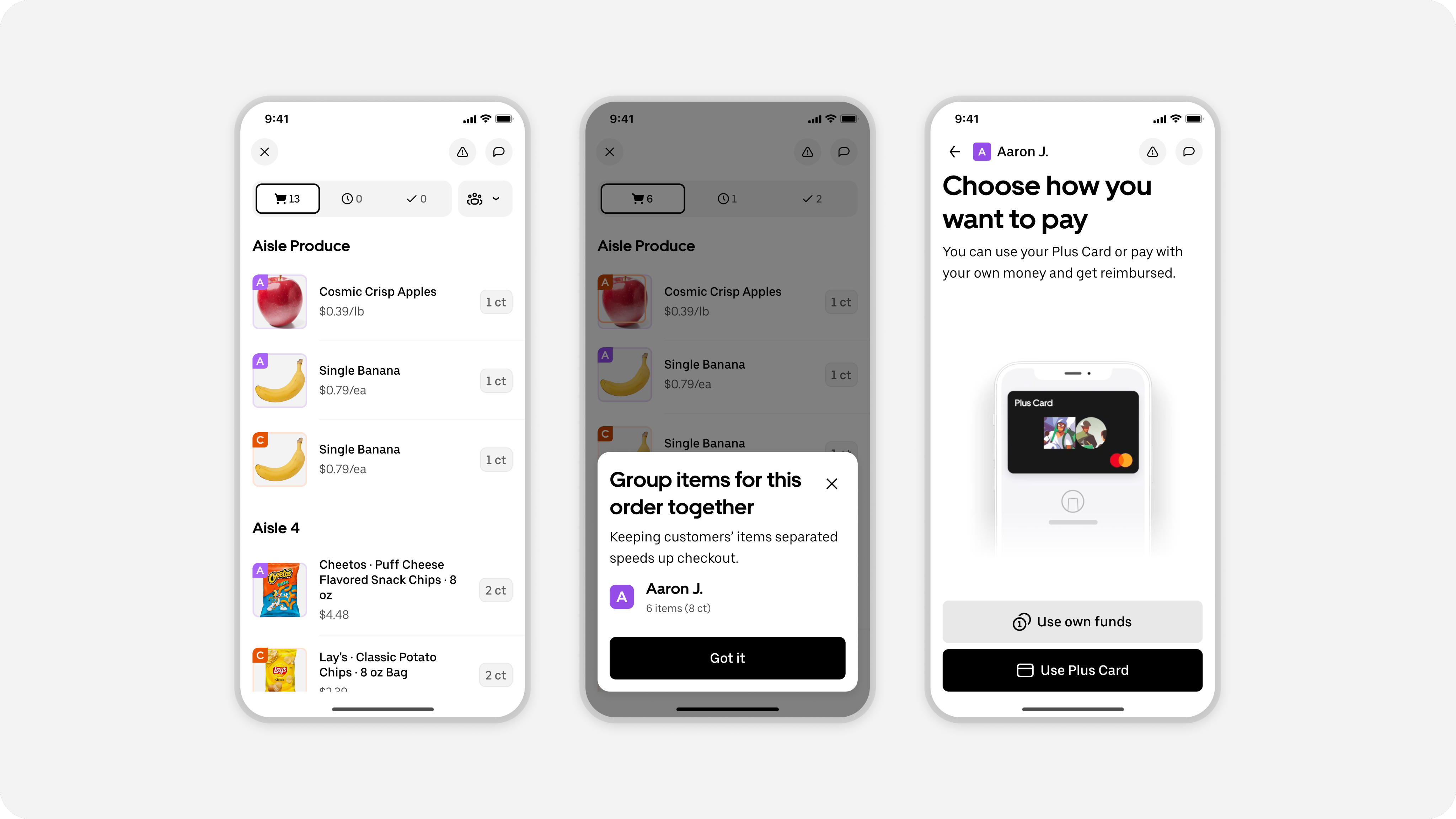
Designing batched shopping orders
Redesigning shopping trips to enable a batched experience for earners
View work
When to evolve a design system
Rebuilding Uber’s icon language
View work
Elevating the earner experience
A new visual language for our heatmap
View work
Reimagining the driver experience
How a design-led initiative brought focus, clarity, and confidence back to the Driver app
View work
Designing for smart food photography
Real-time feedback that brings clarity, confidence, and quality to user photos
View work
Uber Design
2026 © Uber Technologies Inc.
Inspire what’s next
How design can shape the roadmap before it's written
Selçuk Saydam
Group Product Design Manager
September 2026
Design has two jobs. One is executing the roadmap. The other is inspiring what's possible next.
The most inspiring product experiences rarely start from a PRD. They start with someone who could picture them before anyone asked. That's us.
So you had a great idea. You designed and prototyped it, shared it with your team. Everyone seemed excited in the meeting. You followed up twice, and the second time you had to remind people what it was. It never made the roadmap. What happened?
Our ideas weren't being rejected. They were arriving after the roadmap was already full.
Influence isn't a byproduct of good work. It's a deliberate attempt to change a group of decision makers' beliefs and plans.
Recently, our design team met to work on our longer-term vision and how to get into the roadmap conversation earlier. We went back through some of our most successful attempts.
- We ran a design sprint on Uber Eats offers, put 11 ideas on the table, and 8 made the roadmap.
- We prototyped a range of rider ad experiences, and that shifted the strategy and got new workstreams funded.
- We spent a series of sprints on our advertising platform, shaping it from strategy down to the craft.
I hope the learnings below better equip other design teams heading into their next planning round.
Get the timing right
Every team plans their roadmap on a loop. Commitments get made, the team builds against them, and then the next set of commitments gets made. The team needs something different from design in each stretch.
The Stretch
What the team needs
What design should do
The roadmap is underway
Ship what we committed to
Execute well and elevate the quality. Earn trust.
Before planning starts
Identify opportunities
Go deep into the problem space and explore what's possible.
Planning is happening
Decisions
Bring recommendations in pieces. Facilitate the discussion.
The window opens regularly. An idea that arrives at the right time can shape the narrative and become part of the roadmap without resistance. The same idea a month later is a nice deck. Each cycle has moments that favor influence over execution.
Find out when planning starts for your team, then work backwards. Land your exploration in the weeks just before it, while the roadmap can still change.
Make it easy to say yes to
An open window on its own doesn't get you anything. Once your pitch is grounded in a real problem, carrying a story someone could repeat gives it the best chance. None of this works if you're the only one who believes it.
Have a well-informed opinion. Understand your problem space and team's purpose. Know what worked, what failed, and why. Define the problem with deep foundational research. Form a grounded, bold opinion.
Make your team see what you see. Show what's possible in working prototypes. Bring evidence. Create a compelling story that resonates and spreads.
Listen harder than you pitch. Facilitate the vision, don't defend it. Bring research and your cross-functional partners into the discussion and evolve the proposal together. Julie Zhuo's test: you'll know you're on the right track when your team starts repeating it back.
Ship it in pieces. What matters is what ships. Break the shared vision into pieces small enough to enter a cycle. Architect the order so the first one earns the next.
Inspiring what's next means changing what people believe is possible. Nobody writes a requirement for something they can't picture yet. Find out when your team plans next, and shape the roadmap before it's written.
Base MCP
Teaching AI agents to speak the Base Design System
View work
From Pencil to Prompt
Making AI our everyday language
View work
Design Specs, Reimagined
How Uber Built an Agentic System to Automate Design Specs in Minutes
View work
Designing batched shopping orders
Redesigning shopping trips to enable a batched experience for earners
View work
When to evolve a design system
Rebuilding Uber’s icon language
View work
Elevating the earner experience
A new visual language for our heatmap
View work
Reimagining the driver experience
How a design-led initiative brought focus, clarity, and confidence back to the Driver app
View work
Designing for smart food photography
Real-time feedback that brings clarity, confidence, and quality to user photos
View work
Uber Design
2026 © Uber Technologies Inc.